- Isle of Wight events
- Cultural events
- The Isle of Wight Literary Festival
Exploring the Isle of Wight: A Literary Adventure for Book Lovers
Discover the literary heritage of the Isle of Wight, home to famous authors and a vibrant literary festival. A must-visit for book lovers!
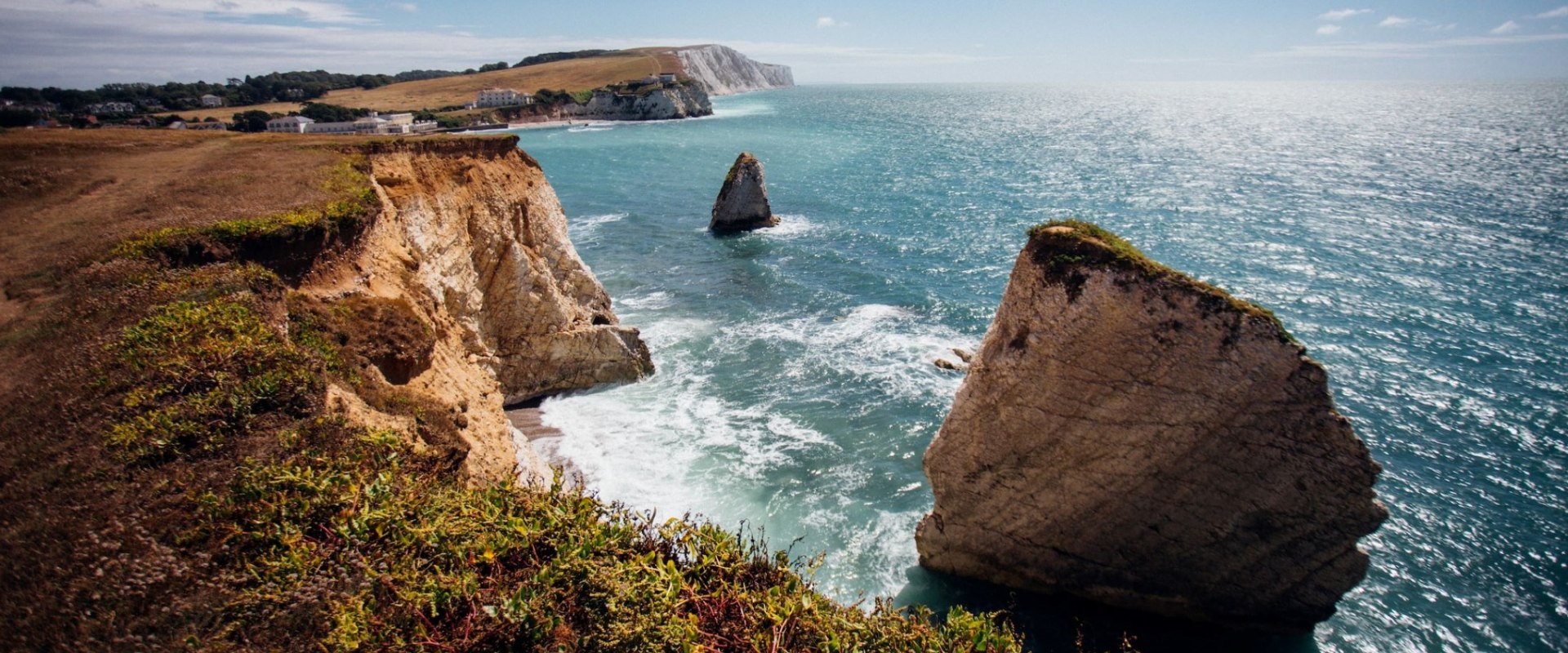
The Isle of WightIsle of Wight, a picturesque island nestled off the southern coast of England, is not only renowned for its stunning landscapes and charming seaside towns but also for its rich literary heritage. This enchanting destination has long been a source of inspiration for writers, poets, and artists alike, making it a must-visit for anyone seeking a literary adventure. From the rugged cliffs that inspired the works of Alfred Lord Tennyson to the tranquil beaches that captivated Charles Dickens, the island's natural beauty has played a pivotal role in shaping the literary narratives that have emerged from its shores. As you visit the Isle of Wight, you will uncover a tapestry of literary connections that span centuries. The island has been home to some of the most celebrated figures in literature, including Tennyson, who spent much of his life here, and J.
M. Barrie, the creator of Peter Pan. Their stories are interwoven with the island's landscapes, inviting visitors to explore the very places that sparked their creativity. The annual Isle of Wight Literary Festival serves as a vibrant celebration of this rich heritage, drawing authors and literary enthusiasts from around the globe to engage in discussions, workshops, and performances. Beyond its famous residents, the Isle of Wight is dotted with quaint bookshops, historic landmarks, and cultural events that further enrich its literary scene.
Each corner of the island tells a story waiting to be discovered, whether it’s through a stroll along the coastal paths or a visit to one of its many museums dedicated to literary history. For those eager to delve into the world of literature while surrounded by breathtaking scenery, the Isle of Wight offers an unparalleled experience that promises to ignite your imagination and deepen your appreciation for the written word.
The Allure of the Isle of Wight: A Brief Overview
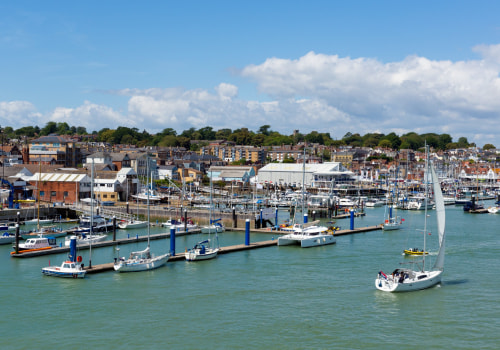
The Isle of Wight, located just off the southern coast of England, is a captivating destination that offers a unique blend of natural beauty, rich history, and vibrant culture. Spanning approximately 147 square miles, this island is renowned for its stunning landscapes, which include dramatic cliffs, sandy beaches, and lush countryside. The island's geographical features create a picturesque backdrop that has inspired countless artists and writers throughout the years. Historically, the Isle of Wight has played a significant role in British history.It was once a strategic military outpost during the Roman and Victorian eras, with fortifications such as Carisbrooke Castle standing testament to its importance. The island also served as a refuge for Queen Victoria and Prince Albert, who built their summer residence, Osborne House , on the island. This royal connection adds an air of elegance and historical significance to the Isle of Wight. Visitors flock to the Isle of Wight for its diverse range of attractions. From the charming seaside towns of Shanklin and Ventnor to the bustling port town of Cowes , there is something for everyone.
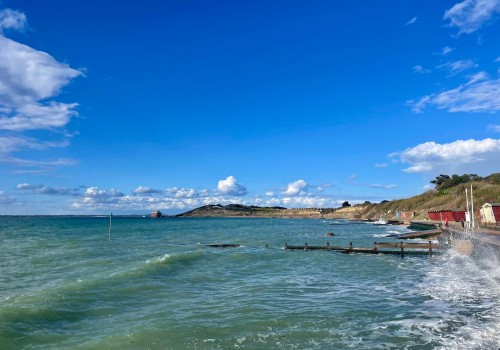
The island is also home to several nature reserves and parks, such as Newport Wetlands and Appuldurcombe House , where visitors can explore the rich flora and fauna that thrive in this unique environment. The Isle of Wight is particularly famous for its beaches, which are perfect for sunbathing, swimming, and water sports. Popular spots like Compton Bay and Sandown Beach offer stunning views and family-friendly amenities. For those seeking adventure, the island provides numerous hiking and cycling trails that wind through its scenic landscapes. In addition to its natural attractions, the Isle of Wight boasts a lively cultural scene. Throughout the year, various festivals celebrate everything from music to literature, with the annual Isle of Wight Literary Festival being a highlight for book lovers.
This festival not only showcases renowned authors but also provides a platform for emerging talent. In summary, whether you are drawn by its breathtaking scenery, rich history, or vibrant cultural offerings, the Isle of Wight is a must-visit destination that promises an unforgettable experience for all who venture to its shores.
Famous Literary Figures Associated with the Isle of Wight
The Isle of Wight has long been a sanctuary for writers and poets, providing inspiration through its stunning landscapes and rich history. Among the most notable literary figures associated with this enchanting island are Alfred Lord Tennyson and Charles Dickens , both of whom left an indelible mark on the literary world.Alfred Lord Tennyson
, the Poet Laureate of Great Britain during much of Queen Victoria's reign, found solace and inspiration in the Isle of Wight. He resided at Farringford House in Freshwater, where he lived for over 40 years. The island's breathtaking scenery, from its rugged cliffs to its tranquil beaches, deeply influenced his poetry.
Works such as "In Memoriam" and "The Charge of the Light Brigade" reflect the emotional depth and vivid imagery that Tennyson was able to capture, much of which was inspired by his surroundings on the island. Visitors can explore Tennyson's legacy by walking along the coastal paths he frequented, which continue to inspire new generations of writers.
Charles Dickens
, another literary giant, also had strong ties to the Isle of Wight. He spent many summers in the village of Bonchurch, where he wrote parts of his beloved novel "David Copperfield." The island's charm and character are evident in his descriptions, showcasing how its landscapes influenced his storytelling. Dickens was known to host gatherings with fellow writers and artists during his stays, fostering a creative community that thrived on the island's beauty.
Beyond these two iconic figures, the Isle of Wight has been a muse for many other authors.
J. Barrie , best known for creating "Peter Pan," found inspiration in the island's whimsical atmosphere. Similarly, Virginia Woolf drew from her experiences on the island for her novel "To The Lighthouse," which reflects themes of time and memory against a backdrop reminiscent of the Isle of Wight's coastal scenery. The literary connections do not end there; lesser-known writers have also found their voices on this picturesque island. The Isle of Wight continues to be a place where creativity flourishes, making it a must-visit destination for literature enthusiasts eager to explore the landscapes that inspired some of history's greatest works.
The Annual Isle of Wight Literary Festival: A Celebration of Literature
The Isle of Wight Literary Festival is a highlight on the cultural calendar, drawing literature enthusiasts from across the UK and beyond.Held annually in October, this festival transforms the charming town of Cowes into a vibrant hub of literary activity, celebrating both established and emerging voices in literature. Each year, the festival features an impressive lineup of authors, poets, and speakers who engage with audiences through a variety of events. Attendees can look forward to:
- Author Talks: Renowned writers share insights into their creative processes, discuss their latest works, and reflect on their literary journeys.
- Panel Discussions: These sessions bring together multiple authors to explore themes and topics relevant to contemporary literature, offering diverse perspectives.
- Workshops: For those looking to hone their writing skills, workshops led by experienced authors provide practical advice and guidance on various aspects of writing.
- Book Signings: A chance for fans to meet their favourite authors, get books signed, and engage in personal conversations about their works.
These activities not only enrich the festival experience but also foster a sense of community among local writers and readers. For those planning to attend, it’s advisable to book tickets early as popular events often sell out quickly. The festival also offers various ticket options, including day passes and full festival passes that allow access to multiple events throughout the weekend. The Isle of Wight Literary Festival is more than just a series of events; it’s a celebration of literature that invites everyone to engage with stories in new and exciting ways. Whether you’re a lifelong book lover or new to the literary scene, this festival promises an enriching experience that highlights the beauty of words against the stunning backdrop of the Isle of Wight.
Exploring Literary Landmarks on the Isle of Wight
The Isle of Wight is not only a stunning destination for nature lovers but also a treasure trove of literary landmarks that beckon book enthusiasts and history buffs alike. As you visit literary sites across the island, you will uncover the rich tapestry of stories and inspirations that have shaped the literary world. One of the most significant landmarks is Farringford House , the former residence of the renowned poet Alfred Lord Tennyson.Nestled in the picturesque village of Freshwater, this Victorian house served as Tennyson's home for over 40 years. Here, he penned some of his most famous works, drawing inspiration from the island's breathtaking landscapes. Visitors can explore the beautifully maintained gardens and take guided tours to learn more about Tennyson's life and his connection to the Isle of Wight. Another notable site is Dimbola Lodge , located in the charming town of Ventnor. This historic building was once home to the famous photographer Julia Margaret Cameron, who was closely associated with Tennyson and other literary figures of her time.
The lodge now operates as a museum, showcasing Cameron's work and offering insights into her life on the island. The exhibitions often highlight her connections with writers and artists, making it a must-visit for those interested in the intersection of literature and photography. For fans of Charles Dickens, a visit to Bonchurch is essential. Dickens spent many summers in this quaint village, where he found inspiration for his characters and settings. It is said that parts of his novel David Copperfield were written here.
Strolling through Bonchurch, you can admire its charming cottages and scenic coastal views that captivated Dickens during his stays. The Isle of Wight also boasts several other literary landmarks worth exploring:
- The Needles : This iconic landmark inspired many poets and writers with its dramatic cliffs and stunning sea views.
- St. Catherine's Lighthouse : A beacon for sailors, this lighthouse has been featured in various literary works and offers panoramic views of the coastline.
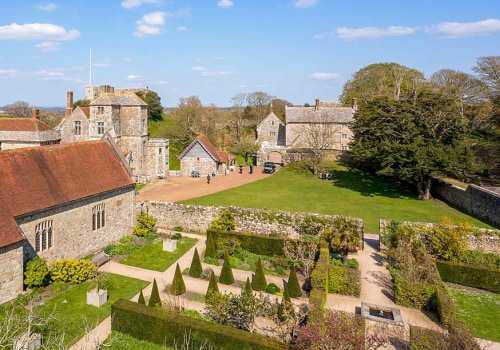
- Carisbrooke Castle : While primarily known for its historical significance, this castle has also been referenced in literature, making it an intriguing stop for literary enthusiasts.
The Island's Natural Beauty: Inspiration for Writers
The Isle of Wight is not just a picturesque destination; it is a canvas of natural beauty that has inspired writers and poets for generations. The island's diverse landscapes, from its dramatic cliffs to serene beaches, have provided a backdrop for creativity and reflection, making it a haven for literary minds. One of the most striking features of the Isle of Wight is its stunning coastline, which stretches for over 60 miles.The iconic Needles , a series of chalk stacks rising majestically from the sea, have captivated artists and writers alike. The interplay of light on the water and the ruggedness of the cliffs evoke a sense of wonder that has been immortalised in various literary works. Alfred Lord Tennyson, who resided on the island for many years, often drew inspiration from these breathtaking views, weaving them into his poetry. Beyond the coastline, the island's rolling hills and lush countryside offer a tranquil escape that has inspired countless authors. The Newport area, with its charming woodlands and meandering paths, invites exploration and contemplation.
Writers such as J. Barrie, known for creating Peter Pan, found solace in these landscapes, allowing their beauty to fuel their imagination. The Isle of Wight also boasts numerous outdoor activities that allow visitors to immerse themselves in nature while experiencing the same inspiration that has motivated so many writers. Hiking along the Coastal Path provides not only exercise but also an opportunity to witness the island's flora and fauna up close. As you walk, you may find yourself reflecting on your own thoughts or even jotting down ideas inspired by your surroundings. For those who prefer cycling, the island offers an extensive network of bike trails that wind through scenic villages and past historical landmarks.
Riding through these picturesque settings can evoke feelings akin to those experienced by literary greats who once roamed these paths. In addition to hiking and cycling, visitors can engage in birdwatching or simply enjoy a picnic at one of the many scenic spots scattered across the island. Each moment spent outdoors can spark creativity and provide a deeper connection to the literary heritage that permeates this enchanting place. The Isle of Wight's natural beauty is not merely a backdrop; it is an integral part of its literary identity. As you explore this stunning island, take time to appreciate how its landscapes have shaped the works of those who have walked its paths before you. Whether you are an aspiring writer or simply a lover of literature, the inspiration found in the Isle of Wight's natural beauty is boundless.
Bookshops and Literary Cafés: A Haven for Book Lovers
For those who cherish the written word, the Isle of Wight is a treasure trove of unique bookshops and inviting literary cafés.These establishments not only offer a wide selection of books but also provide a warm atmosphere where visitors can relax and immerse themselves in literature. Here are some must-visit spots for book lovers on the island:
- Ventnor Exchange : This vibrant community hub is more than just a bookshop; it combines a café, bar, and performance space. With its eclectic selection of books ranging from local authors to contemporary bestsellers, Ventnor Exchange is the perfect place to grab a coffee and lose yourself in a good read. The café often hosts literary events, making it a lively spot for book discussions and signings.
-
Dimbola Museum & Galleries : Located in the former home of renowned photographer Julia Margaret Cameron, this venue features a charming bookshop that focuses on photography and art books.
Visitors can enjoy browsing through an array of titles while soaking in the artistic atmosphere. The café on-site offers delicious refreshments, making it an ideal stop for a leisurely afternoon.
- Books on the Isle : Situated in Cowes, this independent bookshop prides itself on its carefully curated selection of both new and second-hand books. The knowledgeable staff are always on hand to recommend titles or help you find that elusive book. The shop also hosts regular events, including author readings and book clubs, fostering a sense of community among local readers.
-
The Bookshop : Located in the picturesque town of Ryde, this quaint shop is filled with character and charm.
It offers an extensive range of genres, from classic literature to contemporary fiction. The friendly atmosphere encourages visitors to browse at their leisure, and the shop often features local authors' works, providing a platform for emerging talent.
- Shanklin Café : While primarily known for its delicious homemade cakes and coffee, this café also boasts a small selection of books for sale. It’s an excellent spot to unwind after exploring the nearby beach or hiking trails. Grab a book from their collection and enjoy it in their cozy seating area or outside in the sun.
Make sure to include them in your itinerary when you visit Isle of Wight, as they truly enhance the island's cultural experience.
Planning Your Visit: Tips for a Memorable Literary Adventure
Planning a visit to the Isle of Wight for the Literary Festival can be an exciting yet daunting task. To ensure your trip is both enjoyable and memorable, here are some essential tips and insights to help you navigate your literary adventure.Travel Tips for the Isle of Wight
Getting to the Isle of Wight is relatively straightforward, with several options available:- Ferry Services: The most common way to reach the island is by ferry. Regular services operate from Portsmouth, Southampton, and Lymington. It’s advisable to book your ferry tickets in advance, especially during peak seasons or festival weekends.
-
Train Connections: If you’re travelling from London or other major cities, take a train to one of the ferry terminals.
The journey offers scenic views and a comfortable ride.
- Driving: If you prefer driving, you can take your car on the ferry. This allows for greater flexibility in exploring the island at your own pace.
Accommodation Options
The Isle of Wight offers a range of accommodation options to suit various budgets and preferences:- Hotels: From luxury hotels in Cowes to charming boutique stays in Ventnor, there are plenty of choices. Booking early is recommended, particularly during the Literary Festival.
- B&Bs and Guesthouses: For a more personal touch, consider staying at a local bed and breakfast. Many offer unique character and local insights.
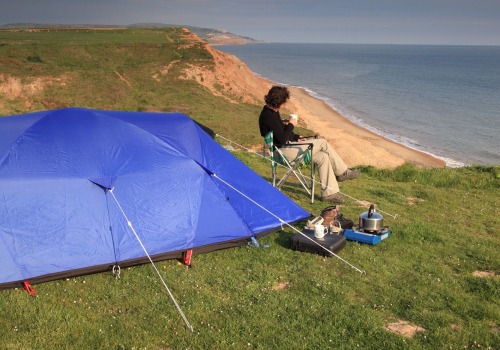
- Campsites: If you’re looking for an outdoor experience, there are several campsites across the island that provide stunning views and proximity to nature.
Maximising Your Festival Experience
To make the most of your time at the Literary Festival, consider these tips:-
Plan Your Schedule: Review the festival programme in advance and select events that interest you.
Popular sessions may fill up quickly, so arrive early or reserve tickets where possible.
- Engage with Authors: Take advantage of opportunities for book signings and Q&A sessions with authors. This can provide deeper insights into their works and creative processes.
- Explore Beyond the Festival: Don’t forget to explore the island’s literary connections outside of festival events. Visit sites associated with famous authors or enjoy local bookshops that celebrate literature.
Conclusion: Embrace the Literary Spirit of the Isle of Wight
As we draw our exploration of the Isle of Wight to a close, it becomes clear that this enchanting island is not just a picturesque getaway but a vibrant tapestry woven with literary history and cultural richness. From the rugged coastlines that inspired Alfred Lord Tennyson to the quaint villages that captivated Charles Dickens , the Isle of Wight has served as a muse for countless writers and poets throughout the ages. The annual Isle of Wight Literary Festival stands as a testament to this literary legacy, offering a platform for both established and emerging voices in literature.Attending this festival is not merely about enjoying talks and workshops; it is an opportunity to immerse oneself in the very spirit of creativity that permeates the island. The festival's diverse lineup ensures that there is something for everyone, whether you are a fan of poetry, fiction, or non-fiction. Beyond the festival, the island itself invites exploration. Each corner reveals hidden gems—charming bookshops like Ventnor Exchange, where literature meets community, and stunning beaches such as Compton Bay, where one can reflect on the words of great authors while soaking in breathtaking views. The rich tapestry of history and culture is palpable in every village, from Shanklin to Cowes, making it an ideal destination for those who appreciate both nature and literature. In conclusion, if you are seeking a unique blend of literary adventure and natural beauty, look no further than the Isle of Wight.
Embrace its literary spirit by visiting its historic sites, attending its vibrant festivals, and exploring its stunning landscapes. Whether you are a lifelong book lover or simply curious about the stories that have shaped this island, your journey through the Isle of Wight promises to be both enriching and unforgettable. So pack your bags, bring along your favourite novels, and prepare to discover the literary treasures that await you on this remarkable island. The Isle of Wight is ready to share its stories with you—are you ready to listen?.